You may have heard of hypoallergenic dogs, but did you know that there are hypoallergenic cats? This is good news for people who want a cat but suffer from allergies. If you desperately want a cat and are asking the question, “Are there any hypoallergenic cat breeds?” then you are in luck! Who doesn’t want to be able to stuff their face in their cat’s plush fur without sneezing?
You may think that dander is the cause of allergies. In actuality, it is a protein in a cat’s saliva that is present on the cats skin (aka, dander) that is to blame. So, you would be partially correct in your assumption.
When your cat grooms itself, it spreads its saliva all over its hair and skin. The protein that gives you the sniffles, Fel d1 protein, then comes to reside all over your cat! When the saliva dries, it turns to vapor! Now it is in the air! Coupled with your cat’s tendency to rule every square inch of the house, the vapor and the cat make the Fel d1 protein widespread- to say the least.
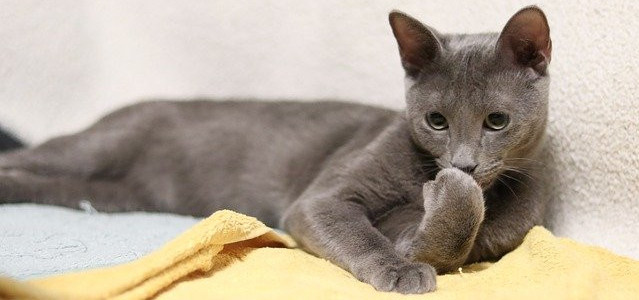
But to say there are cats that are completely hypoallergenic would be untrue. Hypoallergenic cats produce smaller amounts of the Fel d1 protein or have short hair. But, hypoallergenic cats do help most people that have allergies to cats. However, the protein is still present to a certain degree in all cats, but some breeds get the hypoallergenic label when the Fel d 1 protein is present in low amounts.
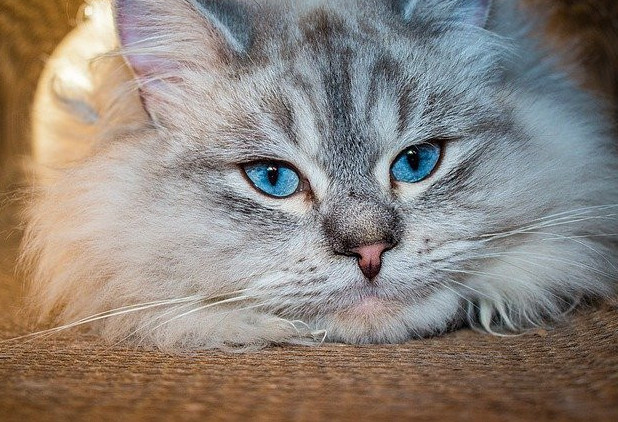
Sadly, there is no guarantee. There’s no such thing as a cat breed that is completely allergen-free. Some cats produce less Fel d 1 protein, like hypoallergenic ones, but they still produce some. However, for a lot of people who suffer from allergies, hypoallergenic cat breeds can be enough to solve their itching and sneezing.
To be 100% sure, you will have to spend some time with your hypoallergenic cat breed of choice before finding out. There will be some trial-and-error involved. Try a meet-n-greet, sleepover, or cat-sit for different hypoallergenic breeds.
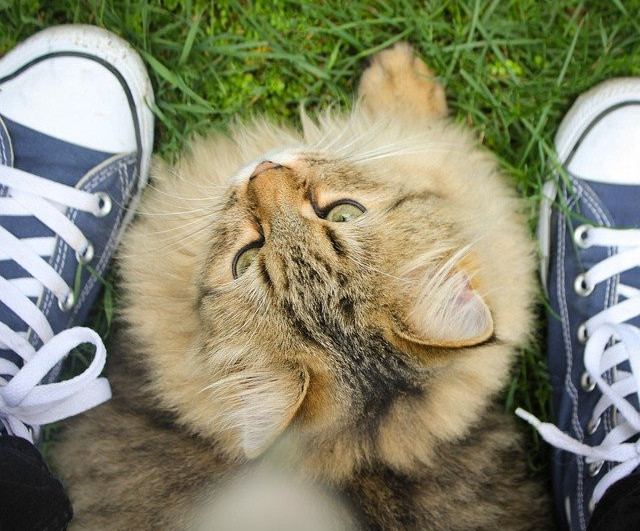
If bothered and the cat is not the complete cure, try combining it with strategies that limit the allergens floating around in your house. For example, bathing your cat regularly can reduce allergens dramatically. Try washing bedding and toys that come into frequent contact with your cats on a regular basis as well.
You can leave grooming and bathing to someone else in the home, or you can see a groomer. Keeping windows open is an easy way to increase the air circulation in your home. Keeping your home clean, vacuuming and sweeping, is also surprisingly helpful!

If you play with your cat, wash your hands afterward. Take note of areas where your cat’s hair accumulates in the house and on you. Remove the hair did immediately with lint rollers or by sweeping. Another great idea is a commercial air purifier (more powerful than the regular ones) that can really keep the air clean, too.
You may be surprised to find that combining all of these weapons against allergens can have a dramatic effect. You may even be even more pleasantly surprised to find that you are able to live happily with your cat.
Thankfully, many people develop a tolerance for cat allergens with some time.
There is always the option of medication as a corrective to your symptoms.
Maybe your child desperately wants a cat, and you have been putting it off for years due to your allergies. Possibly, you didn’t dream that a cat could work in your house for you, despite wanting one.
Purchasing a hypoallergenic cat breed may be your answer. If a bit of extra help is still needed, adding allergy prevention strategies to the home of your hypoallergenic cat could do the trick.
There are many breeds of hypoallergenic cats out there. An awareness of how your allergy works, a hypoallergenic cat breed, and allergy prevention smarts, could improve your life! Let me know all about your adventures with allergies and cats below in the comments section.


Leave a comment