Usually, cat dandruff is harmless and has no reason for alarm. Most commonly, dandruff is a simple symptom of dry skin. Another common reason could be a minor scratch or injury on your cat’s skin that is healing and now flaking.
However, dandruff can be important to treat because the condition can worsen over time from over-grooming, itching, scratching, and licking. Red, inflamed skin patches, sores, and open wounds can develop, leading to infection.
At other times, your cat’s dandruff could be a symptom of something more harmful- in which case it is time to see a vet. Your cat could be experiencing more pain from the underlying condition causing dandruff than from actual dandruff itself. There can be many causes to that white, flakey, skin. It may be more important to address the underlying cause, and then dandruff.
You may find yourself asking then, how do I get rid of my cat’s dandruff? There are thankfully many simple solutions to the basic and common occurrence of cat dandruff. (As well as the more complicated situations).
’Dandruff,’ in cats, is a general term for flakey skin. Commonly, dry skin first occurs in your feline when your cat’s sebaceous glands produce too much oil. The oil keeps your cat’s skin soft and ‘unflakey’, – nourishing and protecting it- if too much of it is not produced. Too much irritates it and causes the skin to flake.
Symptoms can worsen if your cat scratches, licks, or grooms the area to prevent itch, and dandruff can also be used to cover mild flakey skin to more extreme conditions of the skin- like sores, rashes, and Seborrhea.
This may seem obvious, but it is good to know that normally your cat should have smooth soft skin without dandruff, sores, or other irritation. If you can see white flakes in the fur, and they come off on things, then your cat has a common case of ‘The Dandruff.’
To spot dandruff ask yourself the following questions:
We all know someone who is allergic to cat dander. We have all heard of it. I had this question at first, myself. How can you tell the difference between a condition of dandruff and just plain ol’ dander?
If you can see flakes in your cat’s fur, then this is not dander. Dander is very small. It is the everyday shedding of your cat’s dead skin cells. Dander is just part of cat life. If you are asking if it’s dander, then you can probably see flakes. If you can see flakes, then they are probably much too big to be dander. Don’t sweat that small stuff!
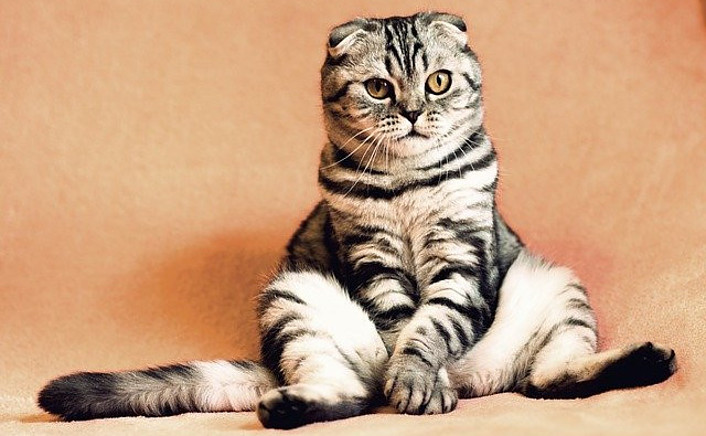
The most common cause of cat dandruff is, of course, dry skin. And, this dry skin comes from your cat being dehydrated. Your cat may not be getting enough H20. Did you know that your cat needs about one ounce per pound of body weight a day? If. that seems like a lot, remember that there is a lot of water in your cat’s food.
My cat went to the vet recently and the vet reported that he was very dehydrated. She asked if he was eating a sole kibble diet, and I affirmed that the was. She suggested incorporating a mix of dry and wet food so that my cat could get more liquids from his food. This could be a simple strategy that may work for you, too.
Other causes of dehydration in your cat could come from your cat’s environment. Is the air in your house low in humidity? Is it winter and your house is constantly heated? Maybe even more than most people? DO you like a warm house? Are you always cold? Sleuthing out the answer to these questions could possibly help.
Poor diet (particularly low-fat diets) can cause a cat’s skin to flake. Just like humans need a well-rounded diet, cats also need a well-balanced diet- but one that meet’s their specific cat needs, of course.
A key part of this is the right kind of fat for your cat. Omega fatty acids, like fish oil, are the ones to look for to take care of your cat’s skin. Look into your cat’s food and make sure these are included, consult your vet, or consider buying them in supplement form for your cat. They can eliminate dry skin!
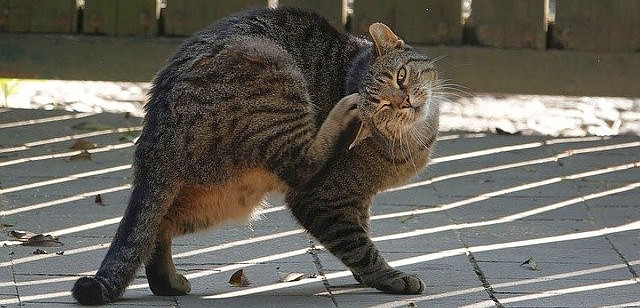
Common with obese kitties, grooming problems can cause dandruff. Why is this? This is because when your cat is overweight, it is harder for him/her to reach around that belly to every area that needs grooming. (No judgment for obese kitties, btw.; my kitty is currently on a diet for sure!)
Pet Basics says: “If you’re seeing flakes or hair clumps only near the base of the tail and lower back, your cat may not be able to reach these areas to groom properly. This issue is common in obese cats.”
I imagine that this general rule of thumb would apply to any cat that had some sort of injury or mobility, medical, or health condition.
Underlying health conditions like Seborrhea, diabetes or an overactive thyroid gland could be causing excessive dry skin symptoms.
Secondary health conditions, like parasites (such as mites, fleas and lice), allergies , and arthritis can also cause flakey skin. Again, this is due to the fact that grooming is impaired or blocked. Cats can’t groom themselves to get rid of those dead skin cells.
Besides health conditions, diet, dry air, dehydration, parasites, lifestyle, infection, allergies, sunburn, and stress can cause dry skin for your cat! So in short, a lot of things. I will discuss these more in detail below. But if you suspect a potential health issue, please contact your veterinarian right away to either rule out or address this issue.
A health condition could be a serious one, and you don’t want that suffering for your cat.
To see if your cat needs a vet trip, please keep reading below.
It is very important to see the vet if those flakes of skin are accompanied by:
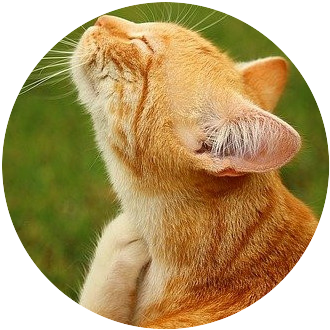
If your cat has dandruff and one or more of the above, consult your vet. This is because it is more likely that the dry skin is a sign of something more serious like an infection, underlying health condition, or disease. For example, the more serious condition of Seborrhea shows symptoms of greasy hair and skin flakes. This skin environment can lead to the growth of bacteria and fungus, and not-fun-times ahead for your cat.
Additionally, if your cat is obese, seek weight loss solutions for your cat, so your cat can groom itself and be it’s healthiest and to prevent future diseases. Seek help for your cat’s arthritis or mobility issues if this is preventing your cat from grooming. Consulting a vet is best in both these cases.
If your cat just has flaky skin on his/her coat that may or may not be coming off onto surfaces he/she touches or is near, then basic remedies listed here will probably work. Most likely, that is the situation your cat is in. Don’t ignore basic dandruff! Remember, the condition can worsen to irritated skin, sores, and open wounds if your cat itches, scratches, or grooms too much. Also, your cat may just be uncomfortable and itchy from dandruff and thus it is worth fixing!
Cats can easily become dehydrated if they are eating all kibble diets. Incorporating liquids and/or wet food into your cat’s diet can be worth a try. Experiment with what your cat likes when it comes to liquids. Your cat may prefer soft cat food to cat milk or broth.
Make sure they always have access to fresh drinking water. Clean water bowls and give new cold water each day. A cat fountain can also provide a steady, fresh supply of water to your cat. The moving water can be an appealing attraction.
Consider adding a humidifier to your house/apartment if the air is dry. Looking at yourself, could your skin could benefit from added moisture in the air? If so, this may be a good solution for both of you- particularly in the drier winter months.
Does your cat have a healthy diet? Good quality ingredients? High protein and low grains? Cats are carnivores, and they do well on high-protein diets. Are the ingredients listed full of synthetic additives, or nutrient-dense ingredients: meat, organs, and produce? A good, cat-friendly diet will help to restore your cat’s healthy skin barrier.
You can consider looking for cat food with Omega-3 and Omega-6 fatty acids. These can smooth out your cat’s skin by reducing inflammation. Sometimes a deficit of these oils can lead to dry, flaky skin in the first place.
If you look at the higher caliber cat foods, they can contain these fatty acids. Especially if they have a fish foundation to their ingredients. Good quality food will give you the name of a meat source as its main ingredient. If you want to be very thorough and sure of your choice, consider how the cat food is stored. Very high or very low temperatures will degrade the vital fatty acids you are looking for in cat food.
Another option is supplementing your cat’s diet with omega fatty acids in supplement form or whole food form. But make sure that you have the right amount and safe food for your kitty!
You can also choose cat foods that are targeted to support your cat’s skin if your cat is one that is prone to skin conditions.
The reason why cats are so in need of fatty acids (linoleic acid and arachidonic acid, to be more specific) is that they don’t produce these naturally in their body. Usually, good quality cat food takes this into consideration. Cheap cat foods may not. Or cat foods that haven’t been stored right may undo any fatty acid benefits through poor storage.
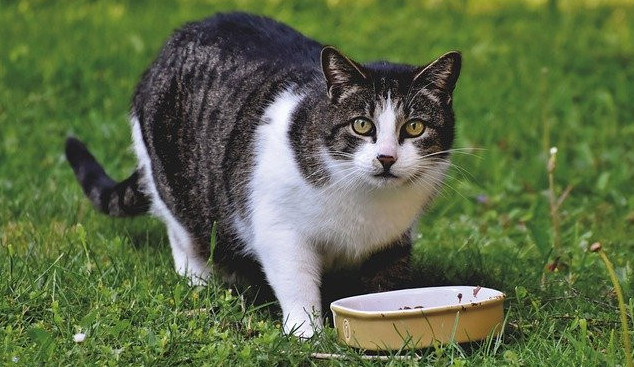
As mentioned above, if there are symptoms present beyond flakes in your cat, it is important to see a vet. Please consult the list of symptoms above.
Another indicator of a health condition is If your cat’s dandruff doesn’t respond to these simple dandruff remedies listed in this article. And it is always important to see a vet if your cat seems to be experiencing any kind of discomfort.
If there are indirect causes of cat dandruff, such as in the case of arthritis and obesity, look for solutions to these.
Underlying health conditions can range from infections to diabetes or even thyroid problems.
Dry flakes can also be caused by parasites like fleas, ticks, lice, worms, and mites. Their bites can trigger allergic reactions and can lead to excessive itching and scratching for Kitty.
Great preventative remedies are basic anti-flea remedies or shots from your vet. The basic Bayer Advantage II treatment can rid your cat of most of these pests, as well as fleas.
To check for parasites, groom your cat, part the fur, and check for signs of infestation.
Simple lifestyle changes can affect your cat. For example, simply grooming your cat more often can help them shed those dead skin cells. Grooming also encourages blood circulation, which leads to the appropriate production of oils for the skin. Grooming spreads natural oils across your cat’s skin and fur. 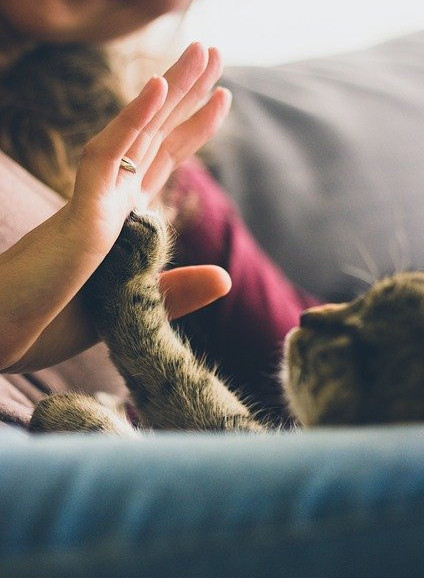
Don’t over-bathe your cat! Cats have more sensitive skin than dogs. and over-bathing can dry out your cat’s skin; it strips your cat of its natural moisture. If needed, try to spot clean your cat instead of totally immersing Kitty in the tub.
When you bath your cat, use cat shampoo! It’s designed for them since their skin is more acidic than ours. Our shampoos can have scents and chemicals that only further dry out the skin of your cat.
Cats can have them, too! Your cat could be sensitive to home fragrances, shampoos, cleaners, air fresheners, perfumes, or smoke.
Similarly, if you have introduced a new food to your cat recently– did you give him a new people food?- then your cat may have an allergy to it.
Even more wild cat food ingredients like wild salmon could potentially cause an allergic reaction for your cat.
Simple solutions include creating more ventilation in your house- you could add an air purifier. Monitoring new cat foods can help you catch any potential allergies.
If using cat shampoo, make sure to rinse it out of your cat thoroughly. Even dandruff shampoo for cats, if not rinsed, can stick to the skin and cause flakes.
Sunburns do not immediately come to mind when you think of cats! But yes, watch your cat’s sun exposure! Limit time outside when the sun’s rays are strongest between, 10 am through to about 3-4 pm. Give your cat their outside time outside of these hot and sunny hours.
This rule is most applicable to cats with a lighter coat, white fur, and for the parts of a cat with sparse fur- like ear tips and lips.
If your cat becomes sunburnt, you can get a lotion for the burn designed for cats. You may need to talk to your vet about this if you can’t find one.
During hot days, keeping your cat inside may be the wisest option.
Take note of your cat’s skin the way that you would take note of your own on sunny days.
Stress! Think you stressed, but about 5 – 6 feet shorter! Cats can actually become too stressed and this can show itself through dry skin.
Small changes in their routine or environment can cause stress for Cat. Consider your cat’s environment, and try to make it less chaotic, quieter, and calmer. Give your cat lots of reassurance if something new has been added or changed to the home.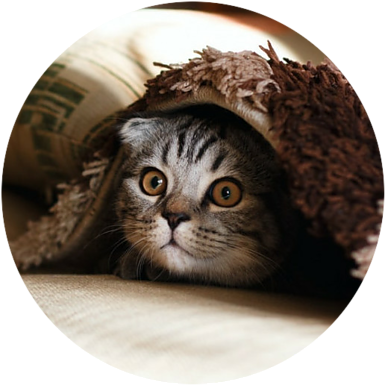
Are you suddenly babysitting your neighbour’s kids? Do they run wild with yours around the house and freak out your cat? Move your cat to a quieter space where they won’t be interrupted and spooked, offering lots of pets, assurance, and love 🙂
If environmental stress continues for your cat, consult your veterinarian, who can help you with calming devices or calming cat medications.
I have outlined what cat dandruff is, what causes it, and how it differs from cat dander. I have also underscored when it is important to see a vet because dandruff could be a sign of something more serious. Additionally, I have researched and added the most common and feasible remedies for the basic case of cat dandruff, taking into consideration the following: dry skin, diet, underlying health conditions, pests and parasites, allergies, lifestyle, sunburn, and stress.
Phew! Who knew there was so much info on flakey dead cat skin cells?
Let me know if you have any great at-home remedies for cat dandruff in the comments below. I would love to hear from you! I know there are some great cat dandruff remedy secrets out there still! If you can’t get rid of your cat’s dandruff, try playing dominos! :p
https://www.petbasics.com/health-and-care/how-to-get-rid-of-cat-dandruff/


Leave a comment